Azure Resiliency Agent for data platforms (3/3): resilience as code in the terminal
I ran the Azure Resiliency Agent plugin in GitHub Copilot CLI on my Terraform. The diff looked clean. Then terraform plan wanted to replace the data lake.

I ran the Azure Resiliency Agent plugin in GitHub Copilot CLI on my Terraform. The diff looked clean. Then terraform plan wanted to replace the data lake.

I tested the Azure Copilot Resiliency Agent (public preview) on a fragile data platform: what it finds, what it gets wrong and what drills will cost.

What the Azure Copilot Resiliency Agent (public preview) is, what it covers, what it needs and where it stops, explained for data platform teams.

A data platform spans many subscriptions. Azure Service Groups give one view across them: how hierarchy and RBAC work, and how to build them with Terraform.
Why a data platform bill hides its data products, which approach to pick for splitting shared cost, and how to implement it on Azure Databricks and Microsoft Fabric.
How we generate six Azure tags with one Terraform module, mirror an ITSM service tree for incident routing, and audit every mandatory tag with Azure Policy.
Which Azure tags a data platform needs: limits, control plane vs. data plane, what not to tag, and how Azure Policy, Terraform and manual tagging compare.
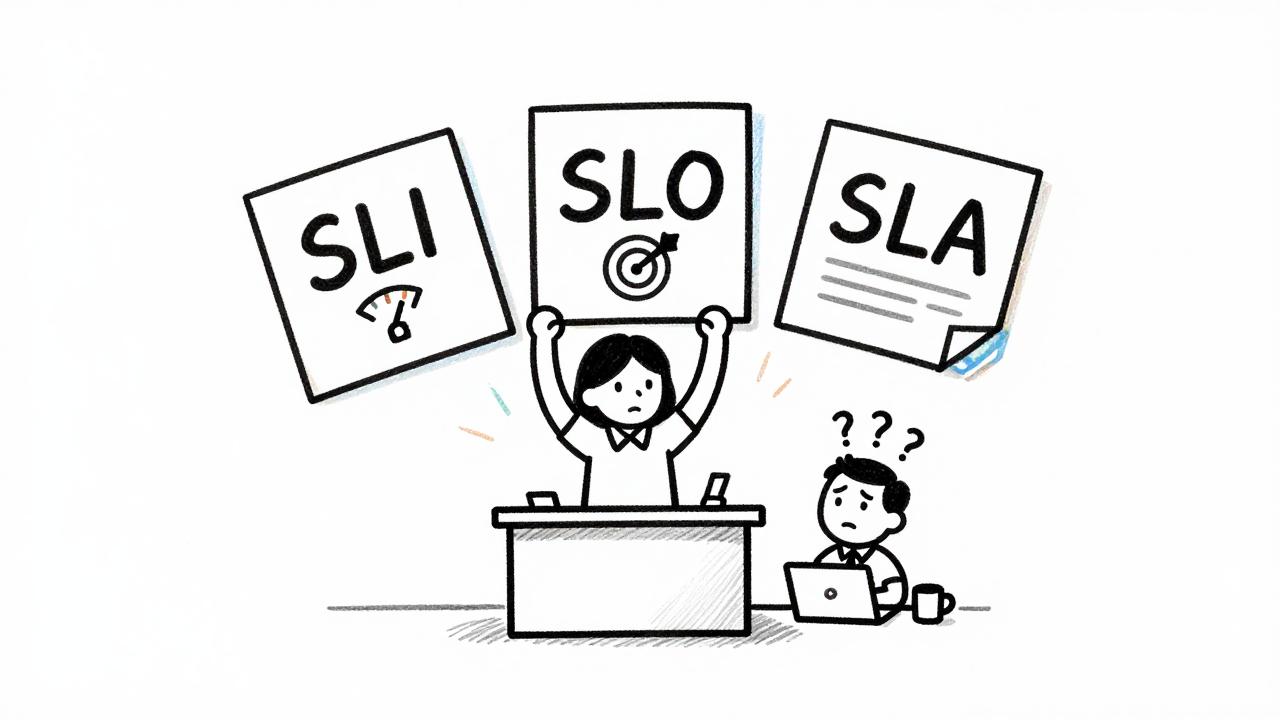
SLI, SLO and SLA explained with simple analogies, plus a practical guide to defining reliability targets, error budgets and Azure workbooks for a data platform.
How teams make decisions in a page and a half and how AI agents can help.
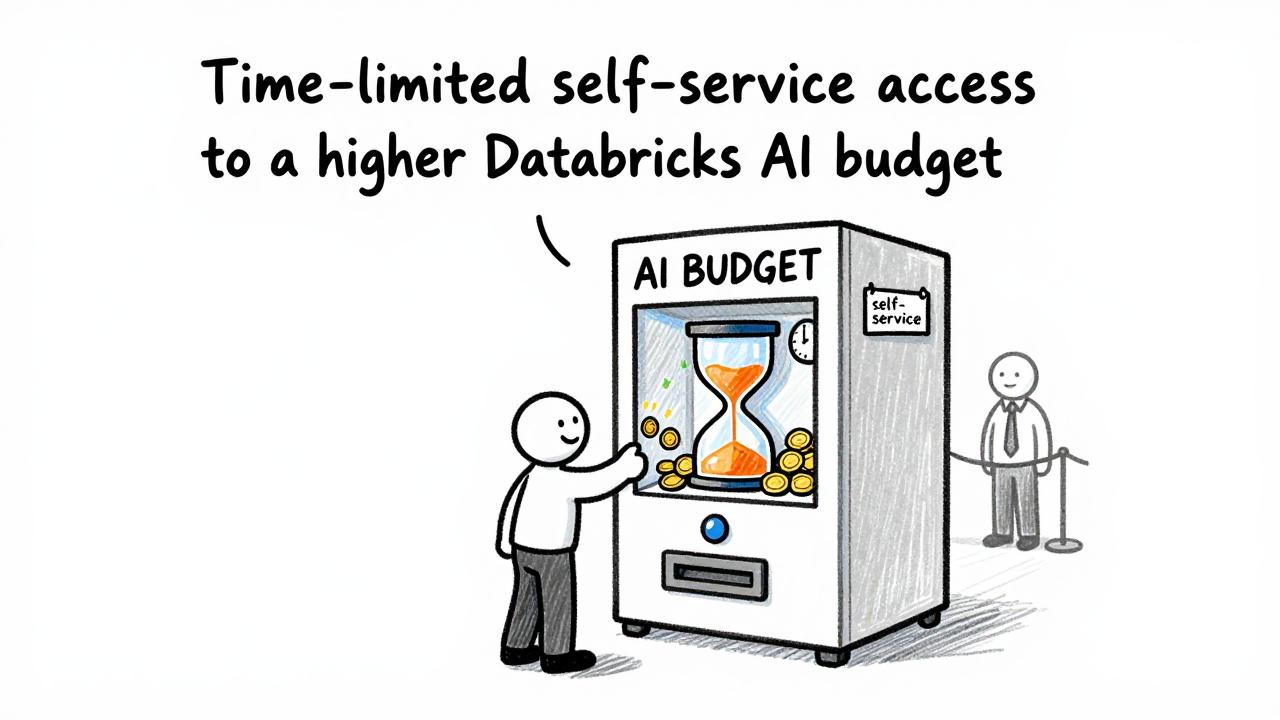
Time-limited self-service access to a higher Databricks AI budget.

Manage Databricks AI budgets and enforce Unity Gateway with Terraform.

Final part of our Databricks cost control series: setting up Budget Control per user and group, role-based budgets, spend blocking for Genie, and managing ClickOps as technical debt until Terraform catches up.